Public Safety in Ward 3: Building Trust Between Residents and Police
A look at what's already working with West Warwick's police department, where the gaps are, and how Ward 3 can strengthen the relationship between residents and the officers who serve them.
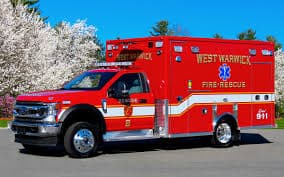
Every family deserves to feel safe in their home and on their block. For Ward 3, that starts with understanding what our police department already does well, where the gaps are, and how a councilman can help close them.

A Department Built for a Small Town
West Warwick is served by a police department of 52 sworn officers and 15 civilian staff, covering roughly 30,000 residents across 8 square miles. That's a relatively small force for a town this size, which means every officer's relationship with the community matters more than it would in a bigger city.
The department already has the building blocks of community policing in place — a Community Police Officer line, a School Resource Officer program, and a Youth Drop-In Center on Factory Street. These aren't small things. They're the foundation of trust-building that bigger departments often have to build from scratch.
Why a Councilman's Role Matters Here
A town councilman doesn't run the police department day-to-day — that's the Chief's job. But the council controls the budget that determines staffing levels, equipment, and whether programs like the Youth Drop-In Center can expand or shrink. That's real leverage, and it's leverage Ward 3 needs someone willing to use thoughtfully.
Funding Follows Priorities
When budget season comes around, public safety often competes with roads, schools, and a dozen other line items for limited dollars. A councilman who shows up prepared — who knows what the department actually needs versus what's just been requested out of habit — can make sure Ward 3's public safety priorities don't get lost in the shuffle.
Communication Is a Two-Way Street
Residents shouldn't have to wait for an emergency to have a relationship with the officers who patrol their neighborhood. Part of the council's role is creating the civic infrastructure — town halls, neighborhood meetings, accessible non-emergency lines — that makes that relationship possible before something goes wrong.
A Practical Plan for Ward 3
Make the Community Police Officer Visible
A dedicated community policing line only works if residents know it exists and feel comfortable using it. Kevin will push for the kind of consistent outreach — newsletters, neighborhood meetings, school events — that keeps this resource top of mind instead of buried on a contact page.
Protect the Youth Programs That Prevent Problems Before They Start
The Youth Drop-In Center and School Resource Officer program are exactly the kind of preventive investment that pays off years down the line. These are not the first things that should get cut when budgets tighten, and Kevin will fight to keep them funded.
Bring Residents and Officers Into the Same Room
Trust isn't built through press releases. It's built through repeated, low-stakes contact — a coffee with a cop, a neighborhood walk, a town hall where residents can ask questions directly. Kevin will work with the department's leadership to make these moments a regular part of Ward 3 life, not an occasional gesture.
Conclusion
West Warwick already has a department that says the right things about partnership and transparency. The job of a Ward 3 councilman is to make sure those words turn into funding, programs, and everyday relationships that residents can actually feel. Public safety isn't just about how fast officers respond when something goes wrong — it's about how connected this community is to the people protecting it every single day.
Read more
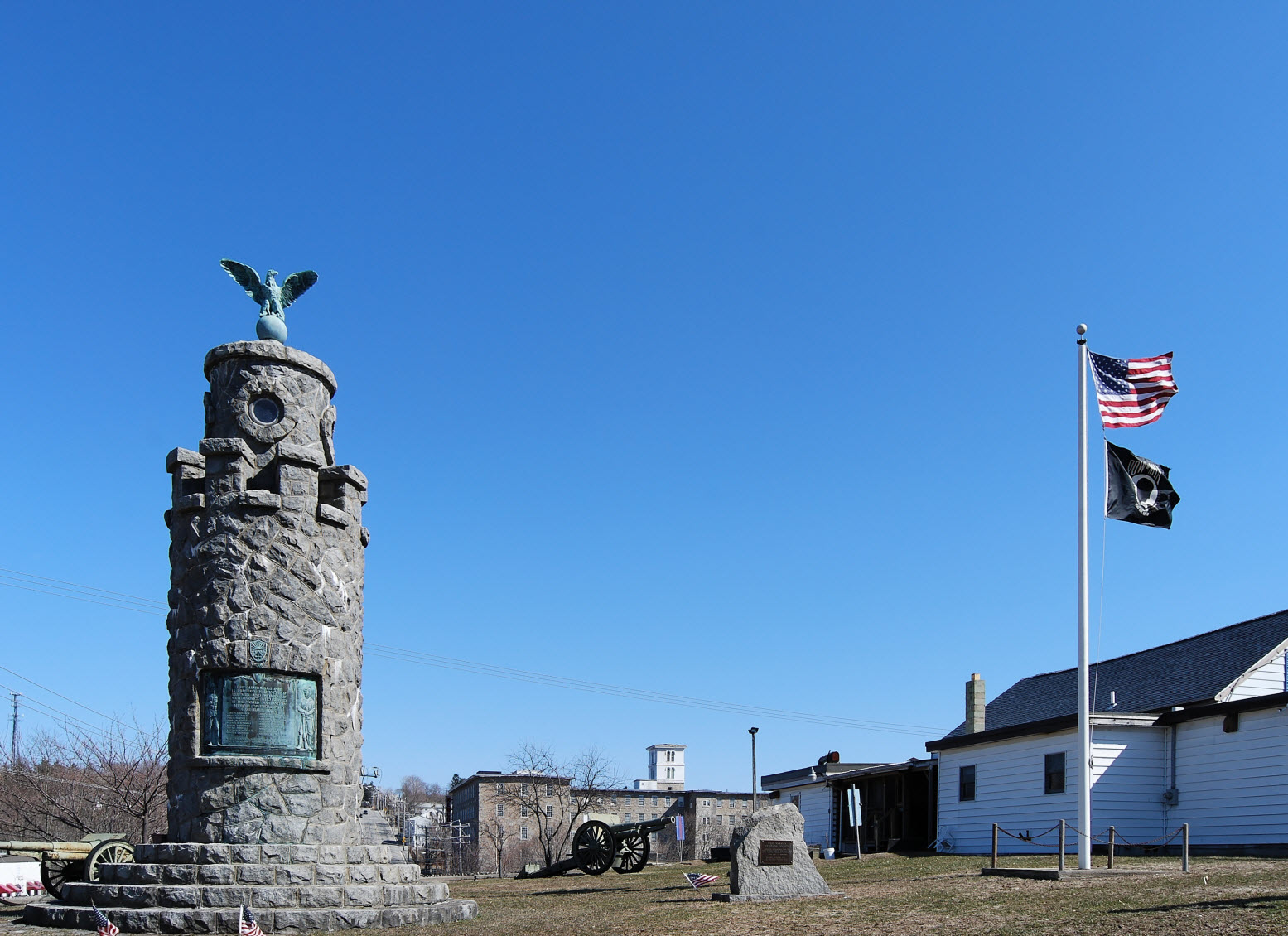
Bringing Ward 3 Together: The Events and Spaces Worth Celebrating
From the Arctic Playhouse to the Pawtuxet River, West Warwick already has the bones of a vibrant community culture. Here's how Ward 3 can build on what's already here.

Where Your Tax Dollars Actually Go: A Plain-English Look at West Warwick's Budget
West Warwick's FY2026 budget includes a 4% tax levy increase and nearly $6 million in new spending. Here's what that actually means for Ward 3 residents, in plain English.
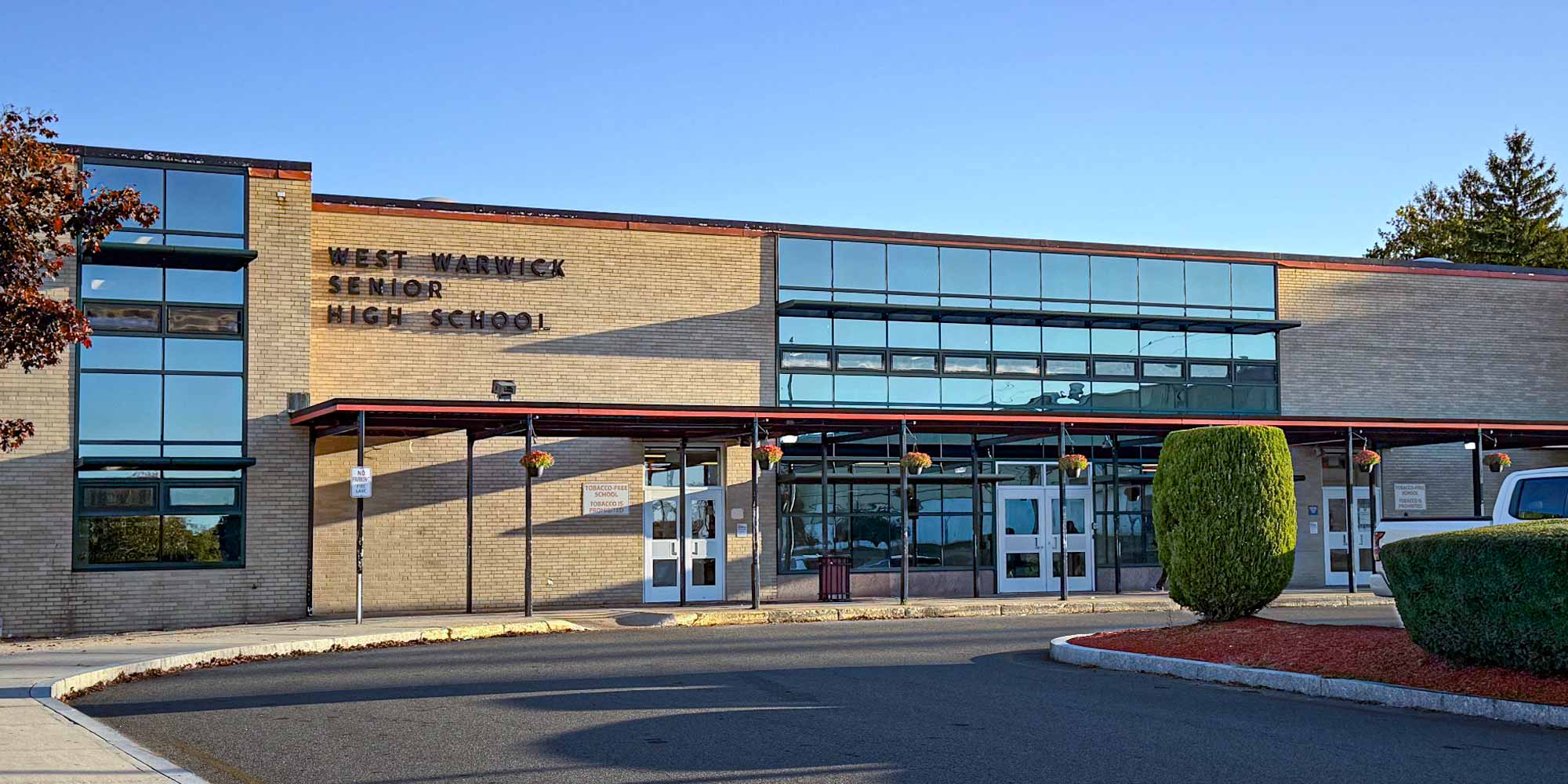
Ward 3's Schools: What the Town Council Can Actually Do
The School Committee runs our schools, not the Town Council. Here's an honest breakdown of where council influence actually starts and ends — and how that influence can still make a real difference for Ward 3's kids.