Fixing Ward 3's Roads: What the Town Controls and What It Doesn't
A clear breakdown of which Ward 3 roads fall under West Warwick's Public Works Department versus Rhode Island's state highway system, and what that means for getting potholes fixed.
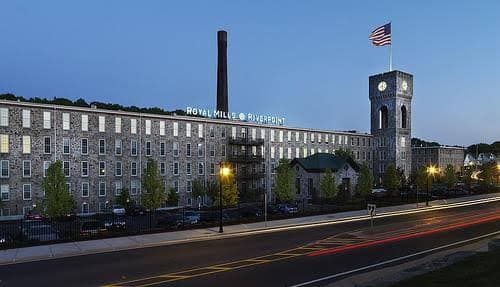
If you've driven down a pothole-riddled street in Ward 3 and wondered why it hasn't been fixed yet, the answer often comes down to one thing: who actually owns that road.

Two Very Different Road Systems
Every road in Ward 3 falls into one of two buckets, and the difference matters more than most residents realize:
-
Town-maintained roads — local streets, neighborhood roads, and most residential routes are the responsibility of West Warwick's Public Works Department
-
State-maintained roads — numbered routes (like sections of Routes 33, 51, and 115) fall under the Rhode Island Department of Transportation (RIDOT)
When a pothole forms on a quiet side street, that's a town issue. When it forms on a numbered state route running through Ward 3, the town can flag it — but RIDOT controls the repair schedule and budget.
Why This Distinction Matters for Ward 3
The Town Can Move Faster on Local Roads
Because Public Works manages town roads directly, repairs to neighborhood streets can often be scheduled within weeks once they're reported — assuming the budget has room for it. This is where local leadership has the most direct influence.
State Roads Require a Different Strategy
For roads under RIDOT's control, the most effective tool a town councilman has isn't a work order — it's advocacy. That means showing up to RIDOT planning meetings, building relationships with state transportation officials, and making sure Ward 3's state-route problems are documented and visible when statewide repaving priorities are set.
Federal Dollars, Local Impact
Here's where it gets more complicated: federal programs that fund road work generally flow through the state, not directly to the town. Practically, this means:
-
Federal infrastructure funding is typically allocated to RIDOT, which then decides which state and local projects receive support
-
The town can apply for certain federal-pass-through grants for local road projects, but this requires staying on top of application cycles
-
A councilman who understands this funding chain can help Ward 3 compete for a larger share of available dollars
A Practical Plan for Ward 3
Prioritize Known Problem Areas
Rather than reacting street-by-street, Ward 3 needs a documented list of its worst local roads — ranked by traffic volume, safety concerns, and how long issues have gone unaddressed.
Build a Direct Line to RIDOT
State roads running through Ward 3 shouldn't be forgotten just because the town doesn't control the budget. Regular communication with RIDOT — and showing up when statewide priorities are decided — keeps Ward 3 on the radar.
Push for Transparent Tracking
Residents deserve to know the status of reported issues, and whether a given road falls under town or state responsibility. A simple public-facing tracker would cut down on confusion and repeated complaints about roads nobody seems to be fixing.
Conclusion
Fixing Ward 3's roads isn't just about pushing harder — it's about pushing in the right direction depending on who's actually responsible for a given stretch of pavement. Town roads need a responsive, well-funded Public Works department. State roads need a councilman willing to advocate at the state level and chase down federal funding opportunities wherever they exist.
Ward 3 deserves leadership that understands this difference and acts on it — not someone who just tells residents "we're looking into it" without knowing which door to knock on.
Read more
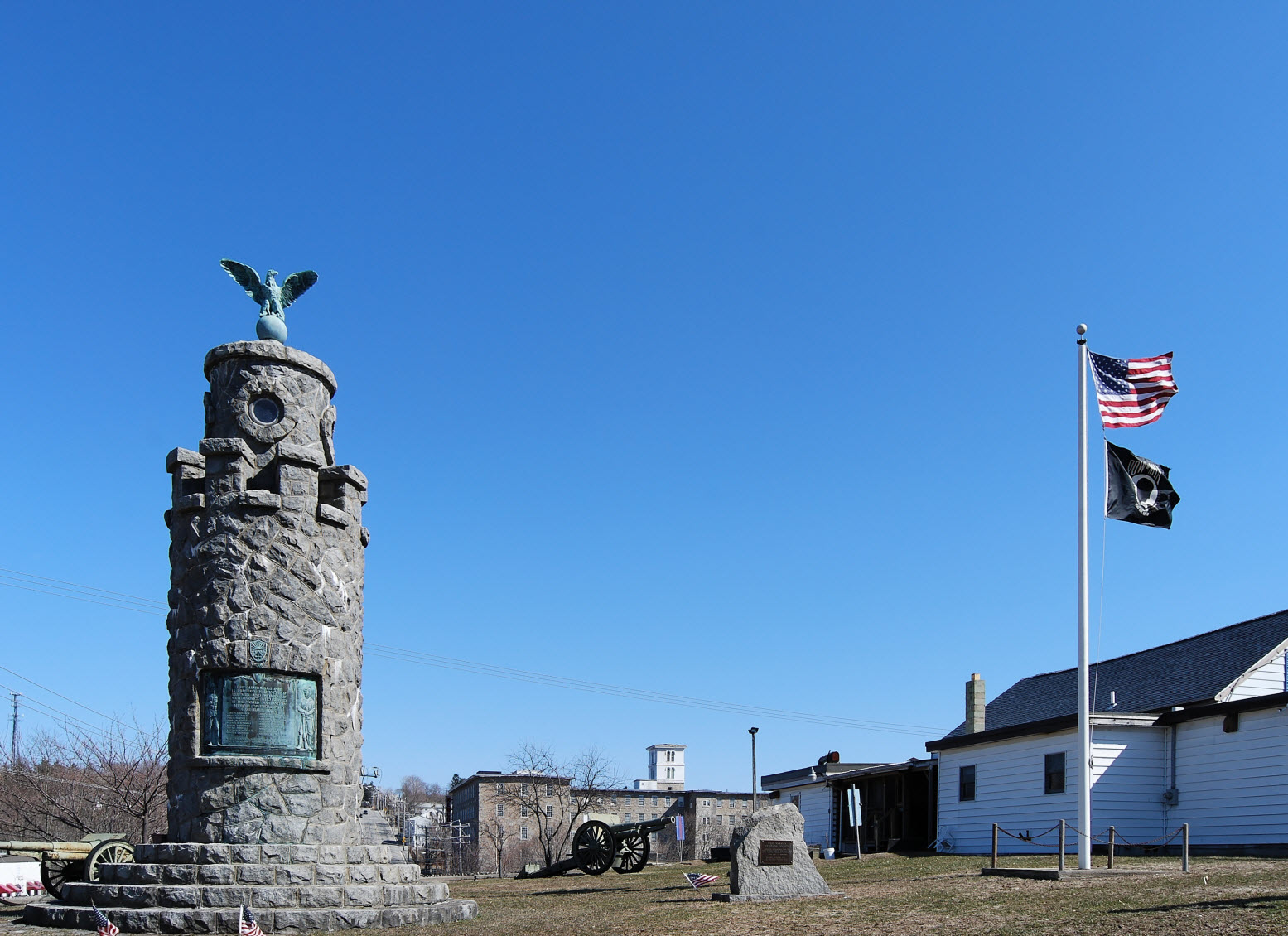
Bringing Ward 3 Together: The Events and Spaces Worth Celebrating
From the Arctic Playhouse to the Pawtuxet River, West Warwick already has the bones of a vibrant community culture. Here's how Ward 3 can build on what's already here.

Where Your Tax Dollars Actually Go: A Plain-English Look at West Warwick's Budget
West Warwick's FY2026 budget includes a 4% tax levy increase and nearly $6 million in new spending. Here's what that actually means for Ward 3 residents, in plain English.
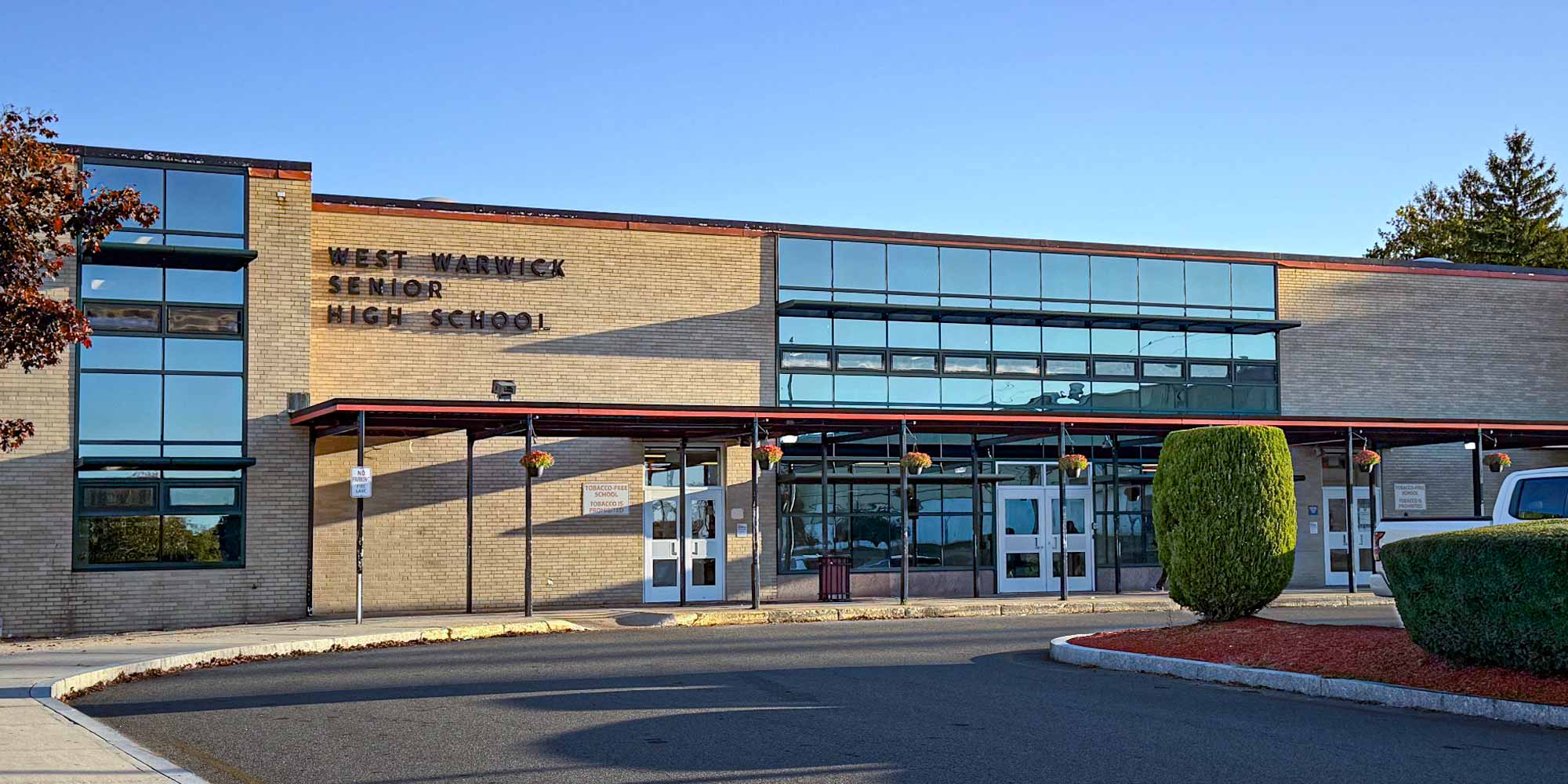
Ward 3's Schools: What the Town Council Can Actually Do
The School Committee runs our schools, not the Town Council. Here's an honest breakdown of where council influence actually starts and ends — and how that influence can still make a real difference for Ward 3's kids.